Apparatus
Equipped to Protect and Serve Our Community
When an emergency call comes in, having the right tool for the job makes all the difference.
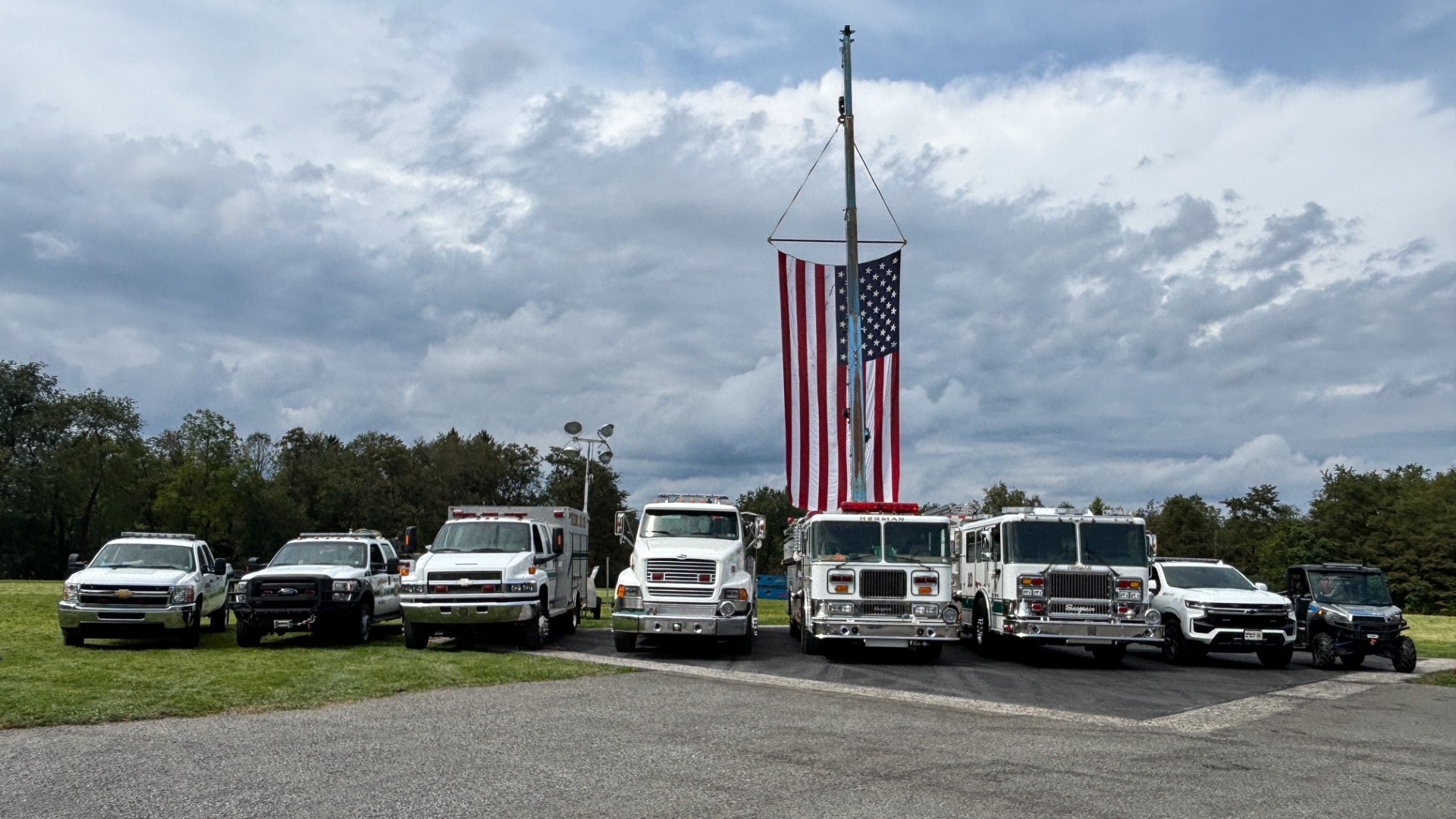
The Herman Volunteer Fire Company maintains a highly specialized, diverse fleet of response vehicles designed to handle everything from structural fires and complex technical rescues to off-road wildland incidents and rapid medical emergencies.
Our apparatus lineup is more than just a collection of trucks—it is a mobile toolkit that empowers our volunteers to save lives and protect property safely and efficiently. Explore our fleet below to get a closer look at the equipment, technology, and history behind the vehicles keeping our community safe 24/7.
BEHIND THE SIRENS
Explore Our Fleet Below
Engine 10-1
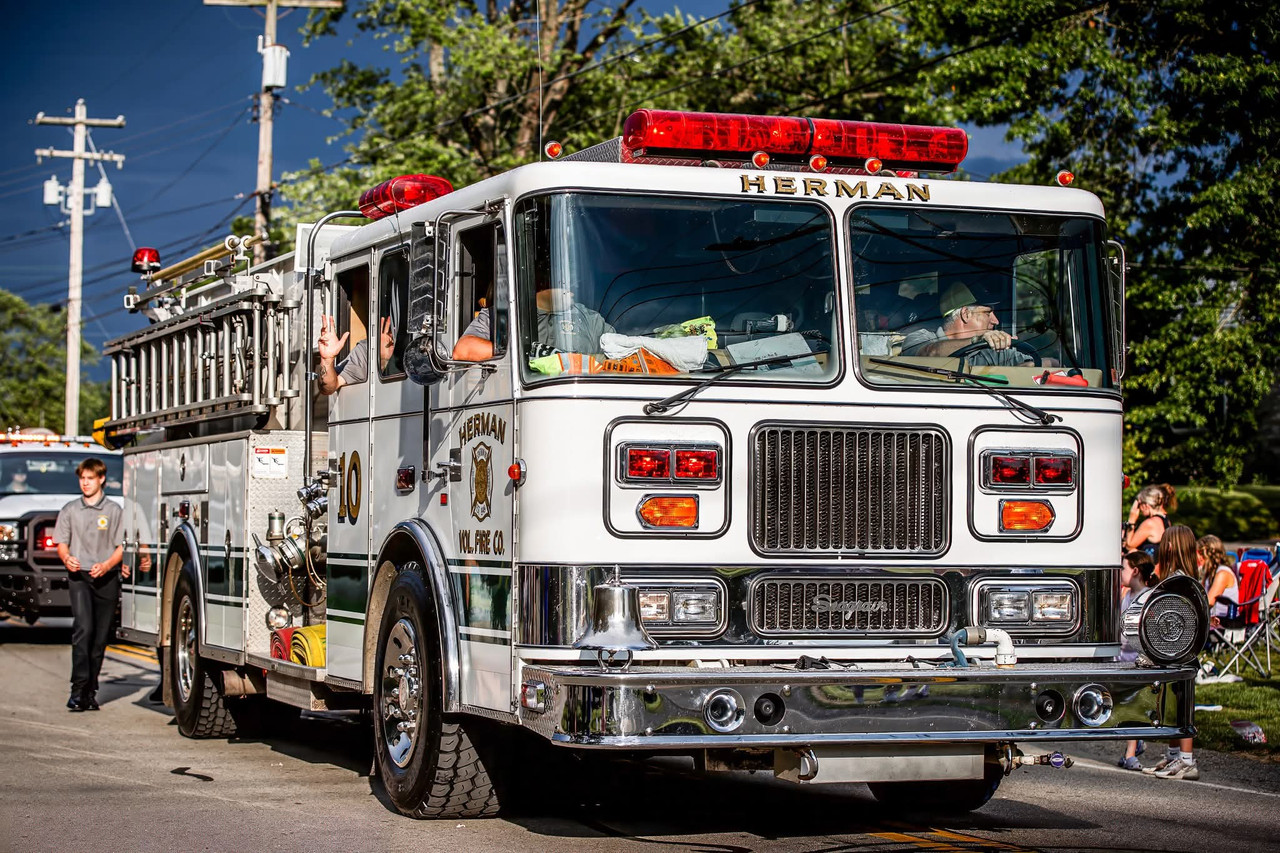
1997 Seagrave
Engine 10-1 - 1997 Seagrave
A fire engine is a multi-purpose emergency response vehicle designed to handle far more than just fires. Its main uses include:
- Fire suppression — carrying water, hoses, and a powerful pump to quickly attack and control fires.
- Transporting firefighters and equipment — bringing trained personnel and essential tools like ladders, axes, saws, and thermal cameras to any emergency.
- Rescue operations — providing tools such as hydraulic cutters/spreaders (“Jaws of Life”), cribbing, and airbags to free trapped victims in vehicle crashes or structural collapses.
- Emergency medical response — many engines carry EMT-level equipment like AEDs, oxygen, and trauma kits so firefighters can begin lifesaving care before an ambulance arrives.
- Hazardous materials response — helping identify and secure chemical spills, gas leaks, and other hazmat threats.
- Scene lighting and communication — supplying lighting and radio systems to safely manage nighttime or complex incidents.
- Community education and prevention — supporting school visits, fire safety programs, hydrant checks, and building inspections.
Engine 10-2
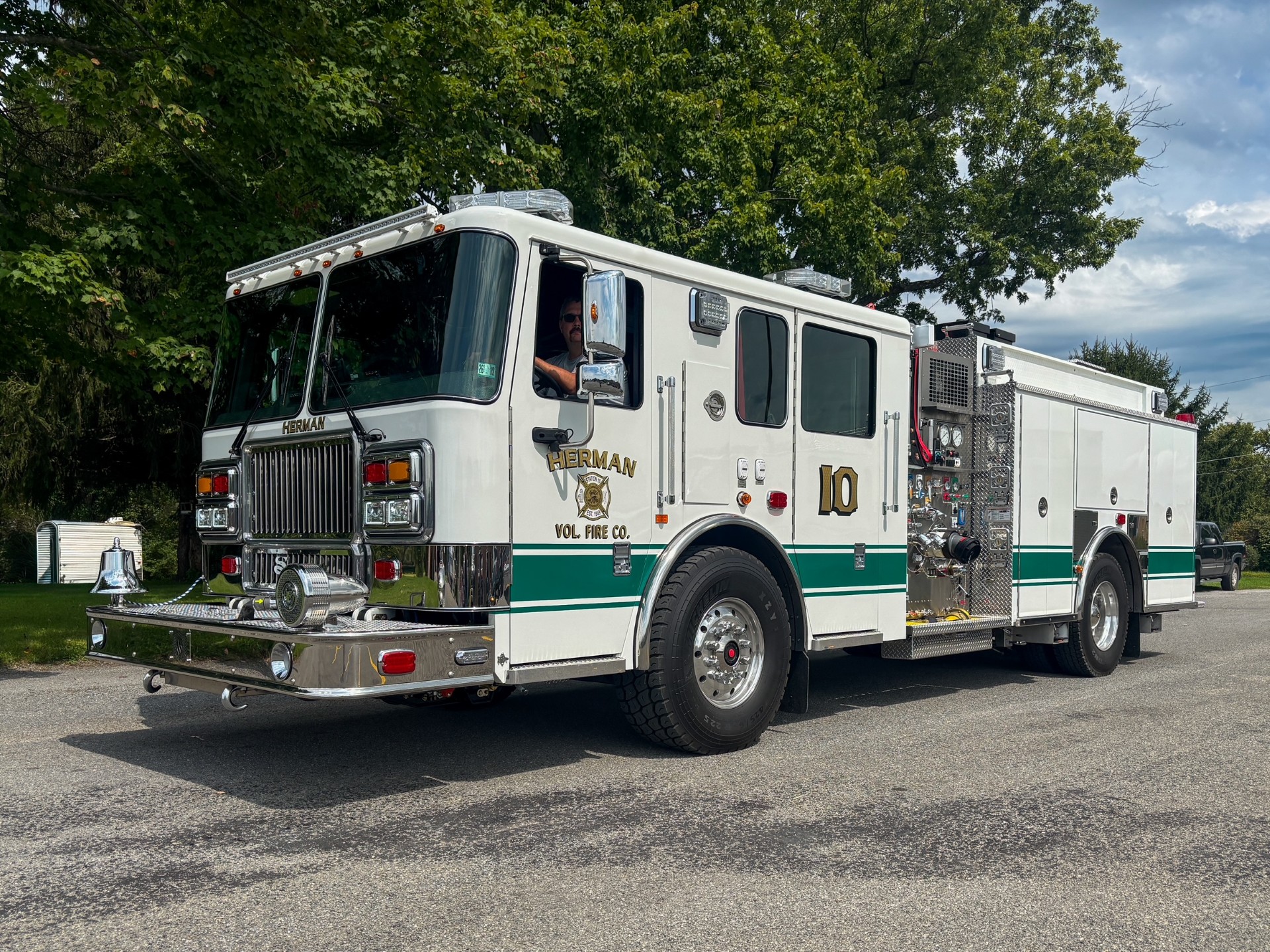
2025 Seagrave Maurader
Engine 10-2 - 2025 Seagrave Maurader
A fire engine is a multi-purpose emergency response vehicle designed to handle far more than just fires. Its main uses include:
- Fire suppression — carrying water, hoses, and a powerful pump to quickly attack and control fires.
- Transporting firefighters and equipment — bringing trained personnel and essential tools like ladders, axes, saws, and thermal cameras to any emergency.
- Rescue operations — providing tools such as hydraulic cutters/spreaders (“Jaws of Life”), cribbing, and airbags to free trapped victims in vehicle crashes or structural collapses.
- Emergency medical response — many engines carry EMT-level equipment like AEDs, oxygen, and trauma kits so firefighters can begin lifesaving care before an ambulance arrives.
- Hazardous materials response — helping identify and secure chemical spills, gas leaks, and other hazmat threats.
- Scene lighting and communication — supplying lighting and radio systems to safely manage nighttime or complex incidents.
- Community education and prevention — supporting school visits, fire safety programs, hydrant checks, and building inspections.
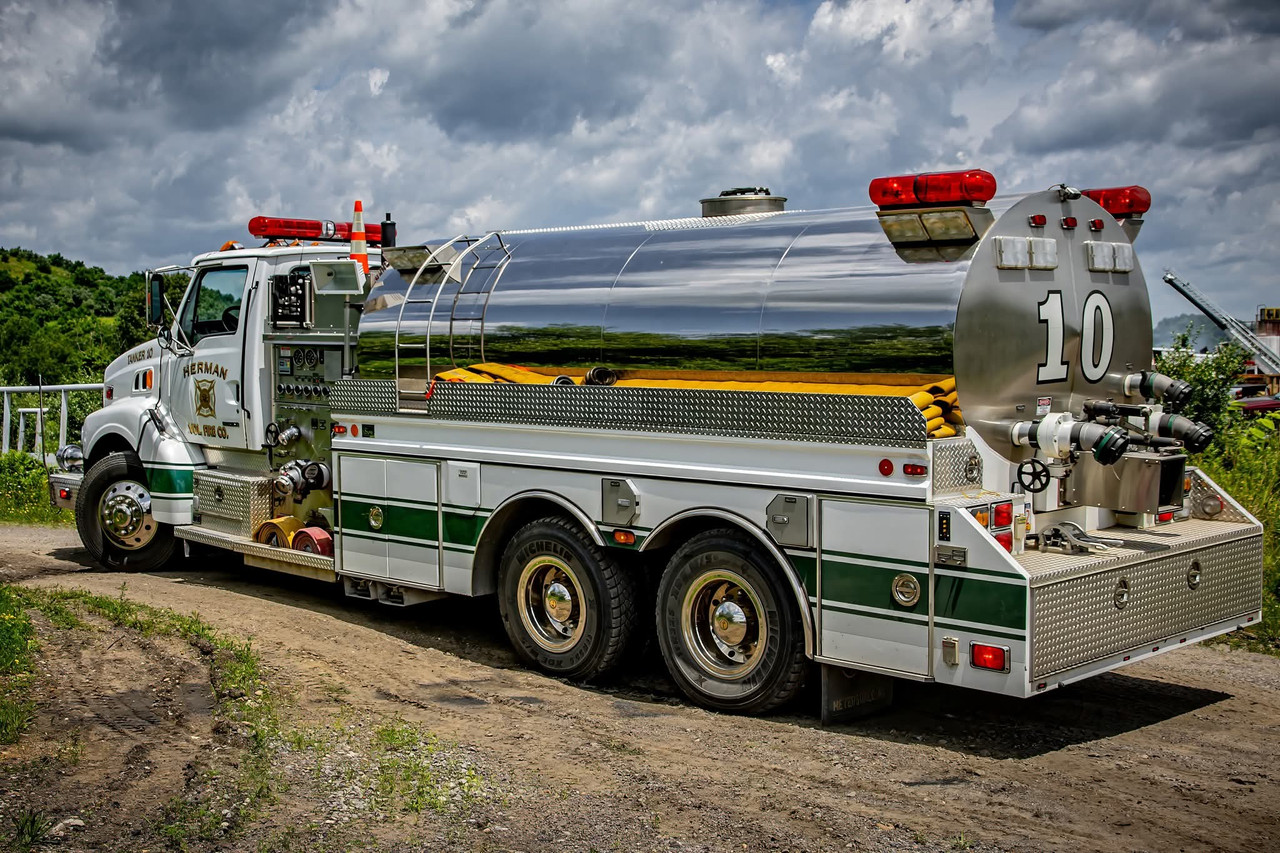
4 Guys Tanker
2000 Sterling
4 Guys Tanker - 2000 Sterling
A fire tanker is used to transport large amounts of water to fire scenes where hydrants are limited or unavailable. These trucks typically carry 1,500 to 4,000+ gallons of water and are essential in rural areas, long driveways, remote roads, and brush‑fire zones.
Their main job is to supply engines with a steady water source, either by dumping water into portable tanks for drafting or by directly nursing an engine during active firefighting.
Tankers shuttle back and forth between fill sites and the fire scene, making sure firefighters never run out of water during structure fires, vehicle fires, or wildland incidents.
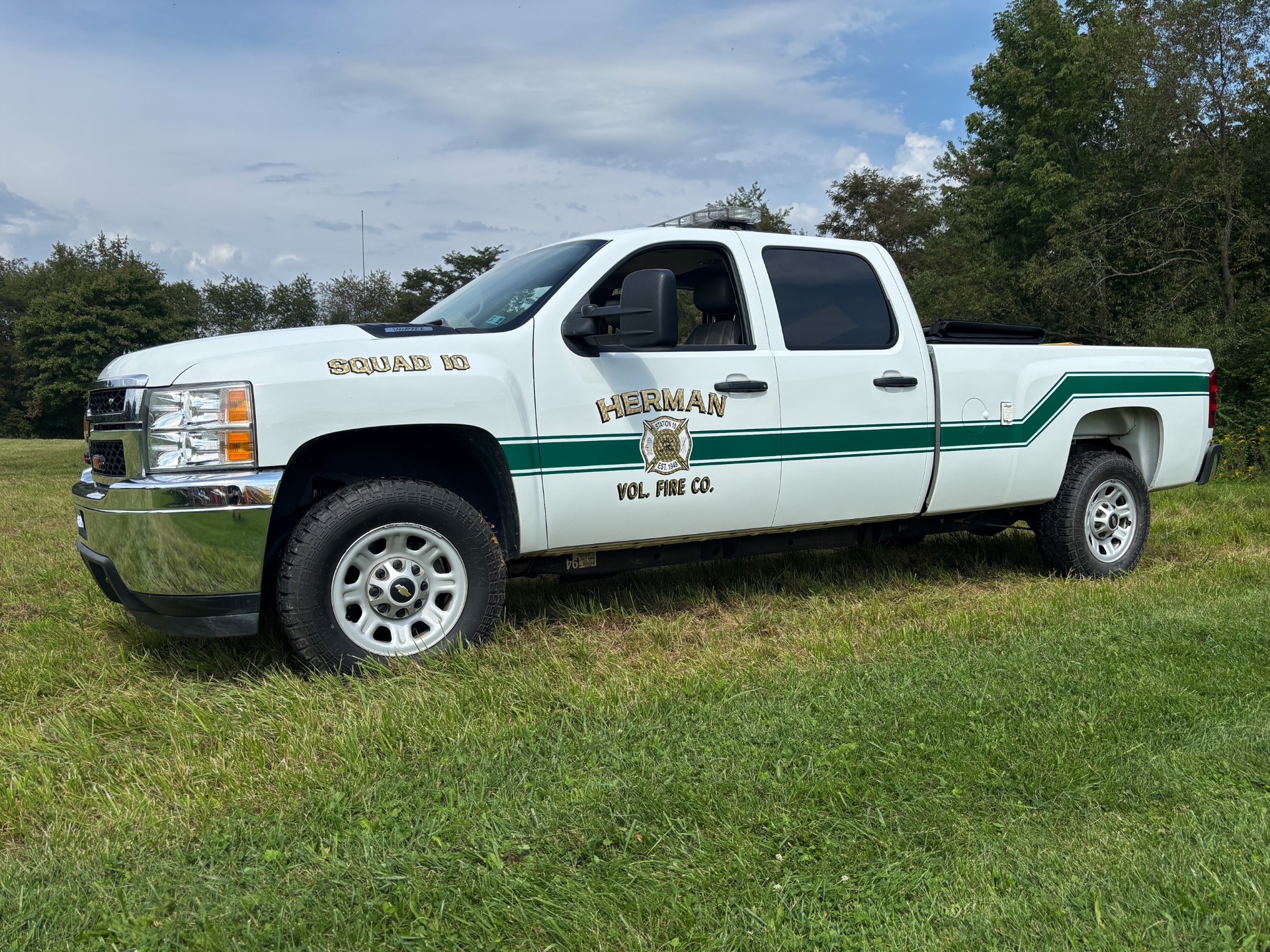
Squad 10-1
2014 Chevy Silverado 3500
Squad 1 - ?????
A pickup truck in a fire department is a flexible, all‑purpose support vehicle used for the kinds of tasks that don’t require a full‑size engine, tanker, or rescue truck.
Because it’s smaller, faster, and easier to maneuver, a pickup is often used for quick response, personnel transport, and utility work. Many departments outfit theirs with medical bags, basic firefighting gear, traffic control equipment, and radios so it can respond to medical calls, downed wires, investigations, and small outdoor fires.
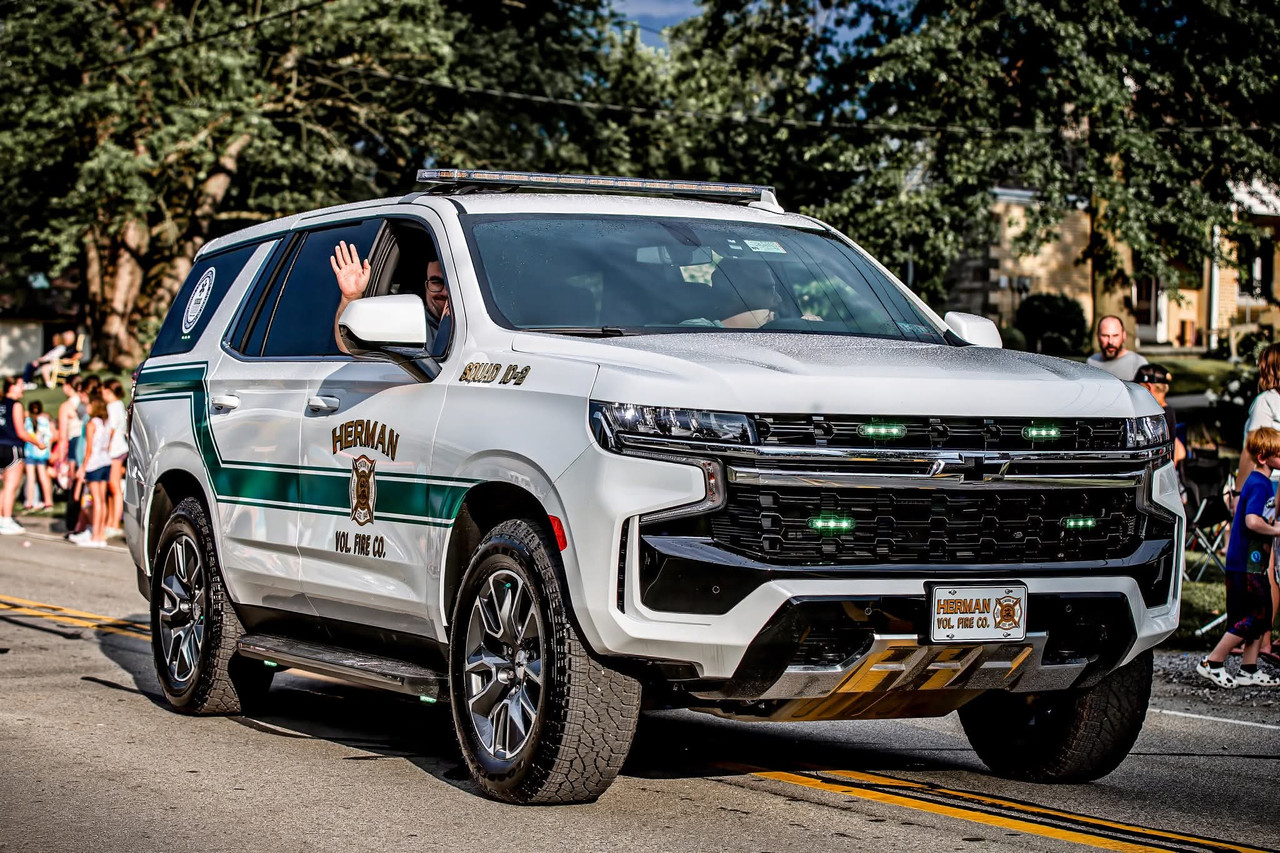
Squad 10-2
2023 Chevy Tahoe
Squad 2 - Quick Response Services
Squad 2 – a QRS vehicle (Quick Response Services)- is a multi‑purpose response unit focused on delivering fast, flexible medical support.
Unlike an ambulance, which is designed for patient transport, a medical squad is built to bring personnel, medical gear, and specialized equipment to the scene quickly. These vehicles typically carry EMTs or paramedics along with tools like trauma bags, oxygen, AEDs, airway equipment, splints, and sometimes advanced life‑support supplies.
Departments use medical squads for medical emergencies, vehicle accidents, cardiac arrests, lift assists, and support at fire scenes, where they help rehab firefighters, monitor vitals, and provide treatment. They’re especially valuable in volunteer or rural departments because they can respond rapidly, carry extra manpower, and handle a wide range of medical and support tasks without tying up an ambulance.
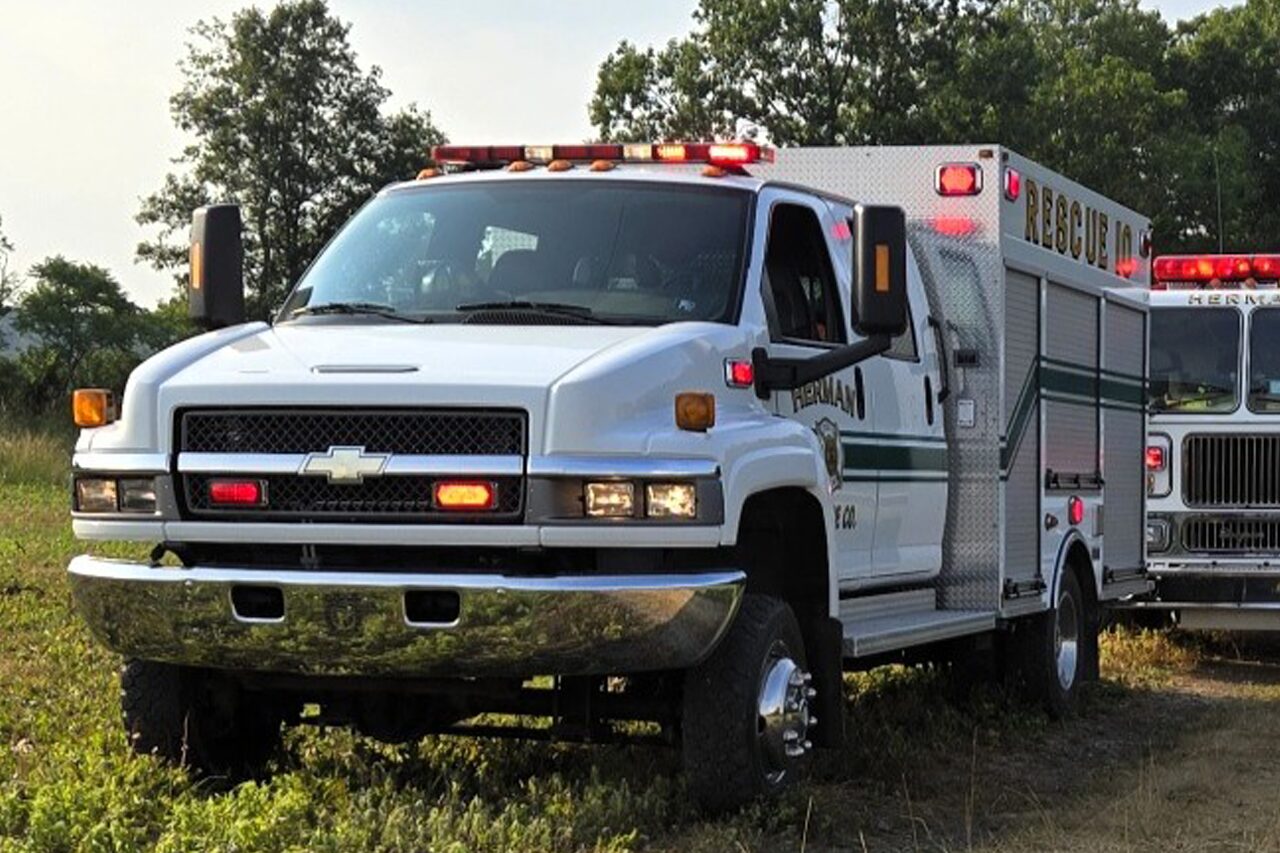
Rescue
2006 Chevy 4500
Rescue Vehicle
A rescue truck in a fire department is a specialized unit built to handle the most technical, equipment-heavy emergencies. While engines focus on firefighting and tankers focus on water supply, a rescue truck is essentially the department’s mobile toolbox, packed with gear for complex rescues. These trucks typically carry the Jaws of Life, stabilization cribbing, rescue struts, air bags, rope rescue equipment, gas meters, power saws, ventilation fans, medical gear, and sometimes even specialized tools for confined-space or trench rescues.
Rescue trucks are used for vehicle extrications, industrial accidents, building collapses, technical rescues, hazardous materials support, and firefighter RIT/FAST operations. Many also respond to medical calls when extra manpower or equipment is needed. In short, a rescue truck is the unit that shows up when the situation requires heavy tools, technical skill, and the ability to solve complicated rescue problems quickly and safely.
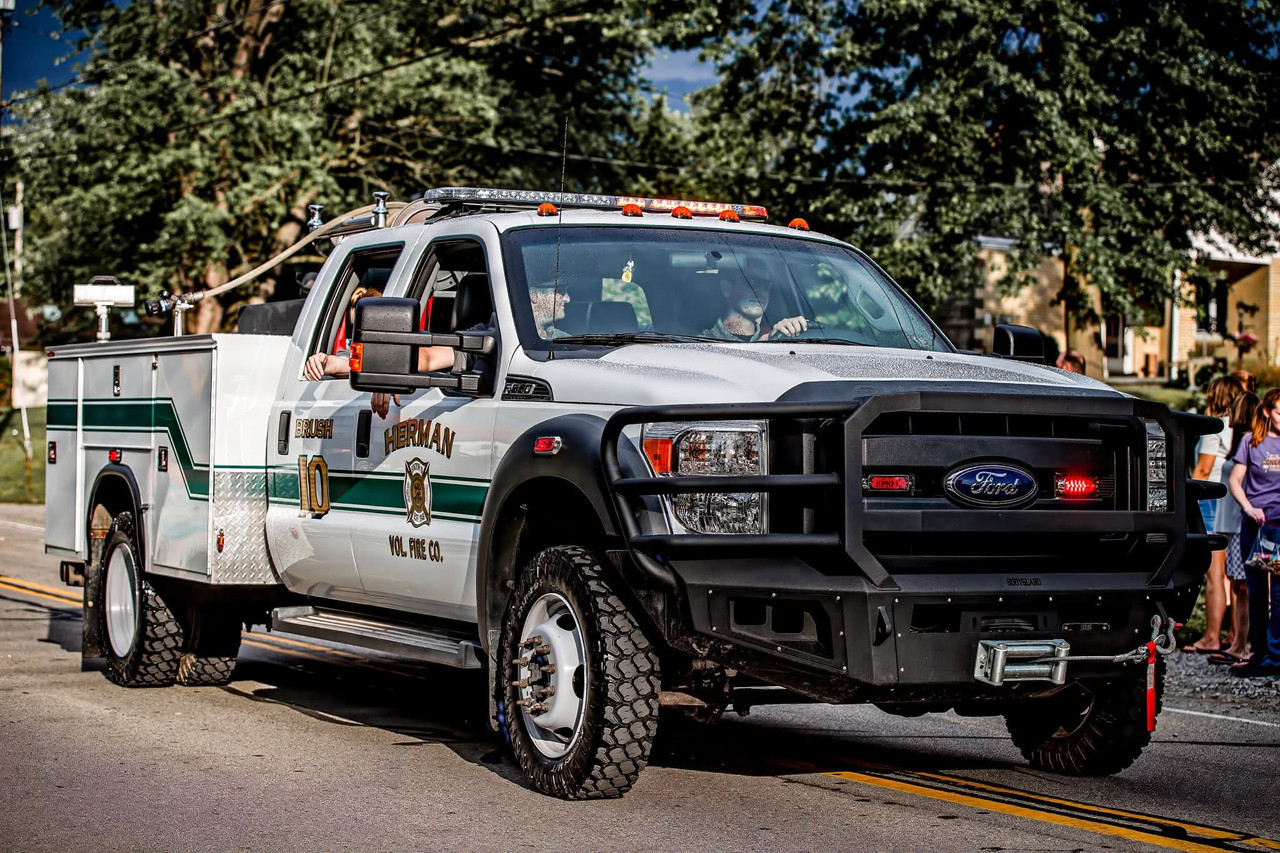
Brush Truck
2012 Ford
Herman Brush Truck
A brush truck is a lightweight, highly maneuverable fire apparatus designed specifically for fighting wildland, grass, field, and woods fires—the kinds of incidents where a full-size engine simply can’t go. Built on a pickup or small commercial chassis, brush trucks are equipped with 4×4 capability, allowing them to travel off-road, down trails, across fields, and into tight or rugged terrain.
They typically carry a small water tank (200–500 gallons), a high-pressure pump, and a booster reel so firefighters can attack fires while the vehicle is moving—known as “pump-and-roll.” Brush trucks also carry tools like rakes, chainsaws, leaf blowers, Indian tanks, and hand tools used for wildland firefighting.
Departments rely on brush trucks for grass fires, field fires, downed power lines, small outdoor fires, and initial attack on wildland incidents. They’re fast, nimble, and able to reach places larger apparatus can’t, making them essential for rural and suburban fire companies.
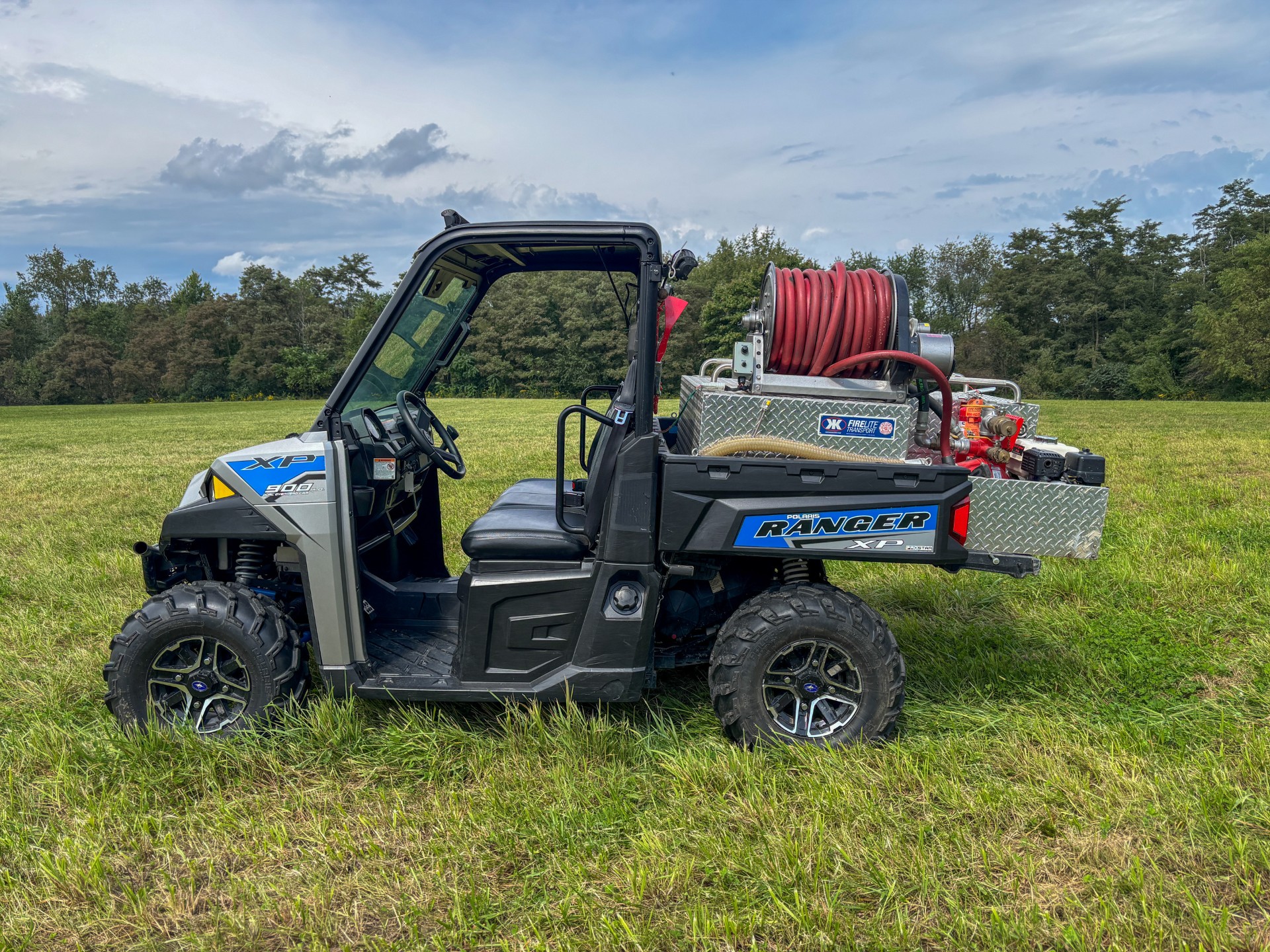
Utility Terrain Vehicle (UTV)
2017 Polaris Ranger XP900
Herman UTV
A UTV (Utility Terrain Vehicle) in a fire department is a compact, off‑road response unit designed to reach places that larger apparatus simply can’t. Departments use UTVs for wildland fires, search‑and‑rescue missions, medical emergencies in hard‑to‑access areas, special events, and patient transport.
Most fire‑service UTVs are outfitted with:
- A small water tank and pump for brush or field fires
- Medical gear for rapid EMS response
- A stokes basket or patient transport skid for removing injured people from trails, woods, parks, or event grounds
- Lighting, radios, and rescue tools for remote operations
They shine in environments like hiking trails, fairgrounds, large campuses, wooded areas, and off‑road terrain where engines, tankers, and ambulances can’t safely travel. In many volunteer departments, a UTV is a critical asset for quick access, rapid intervention, and safe patient removal from challenging locations.
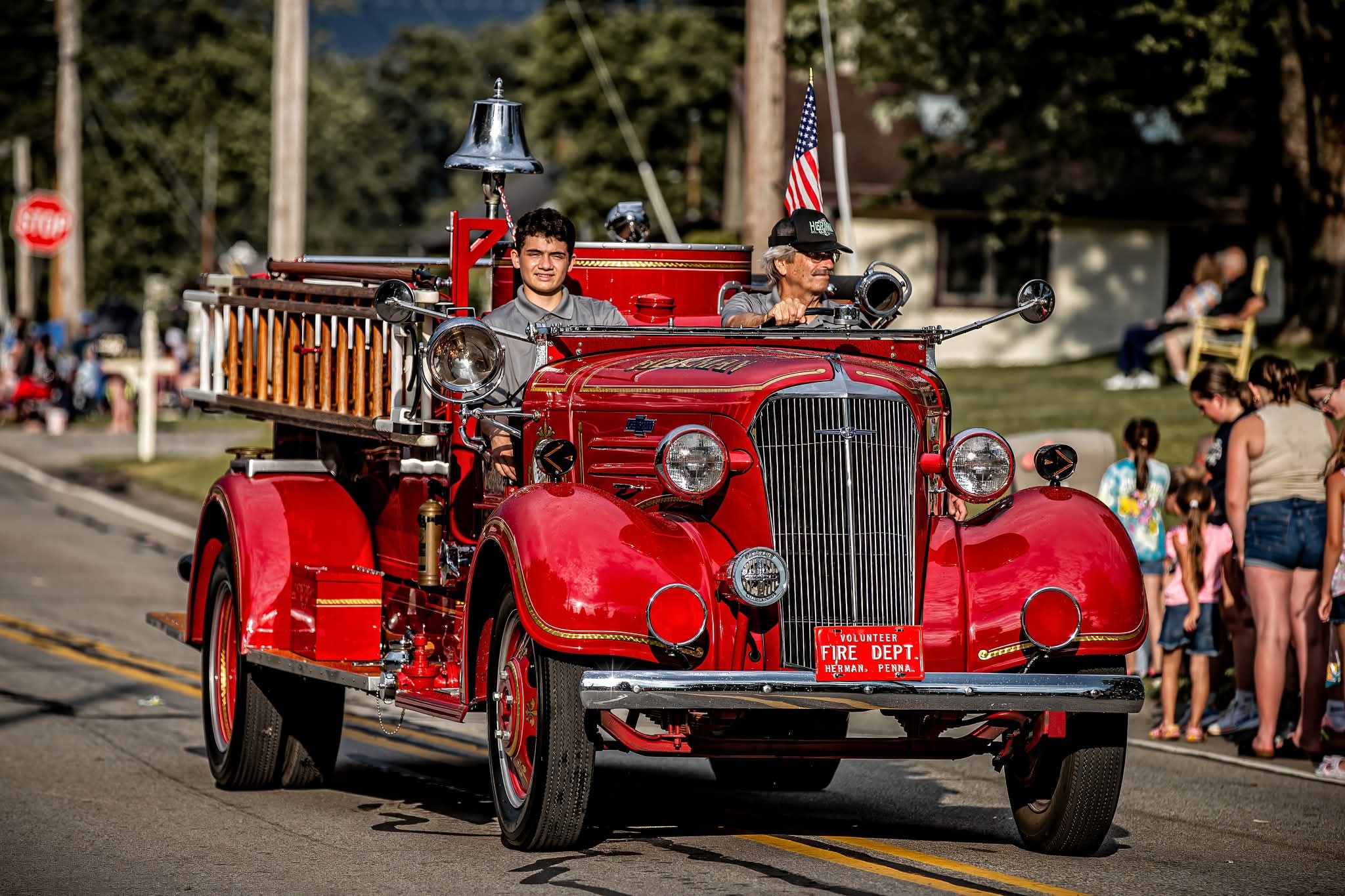
1937 Seagrave
1937 Seagrave
Seagrave was founded by Fredric Seagrave in Detroit, Michigan, in 1881.
As such, Seagrave is the oldest manufacturer of fire apparatus in the United States. The company moved to Columbus, Ohio in 1891, and remained there until 1963, when the company was purchased by FWD. At the time of the purchase, Seagrave moved all operations to Clintonville, Wisconsin, where it remains today.
They typically carry a small water tank (200–500 gallons), a high-pressure pump, and a booster reel so firefighters can attack fires while the vehicle is moving—known as “pump-and-roll.” Brush trucks also carry tools like rakes, chainsaws, leaf blowers, Indian tanks, and hand tools used for wildland firefighting.
Departments rely on brush trucks for grass fires, field fires, downed power lines, small outdoor fires, and initial attack on wildland incidents. They’re fast, nimble, and able to reach places larger apparatus can’t, making them essential for rural and suburban fire companies.